


Blog
INTERACTIVE VOICE RESPONSE (IVR) SYSTEM
A basic IT device the changes way business engage to users is an Interactive Voice Response (IVR) system. That makes automatic phone calls simple, allow users to use voices or key signals to access a menu with input by a person. For several companies, IVR systems provide first way to call, reducing customer service methods and improving output. Exploring basics of IVR software is key for businesses wish to stay strong at a point when client experience is important. Typical IVR systems let companies save cash and time and giving a great user experience by answering routine tasks and correctly scheduling calls.
What Is an IVR?
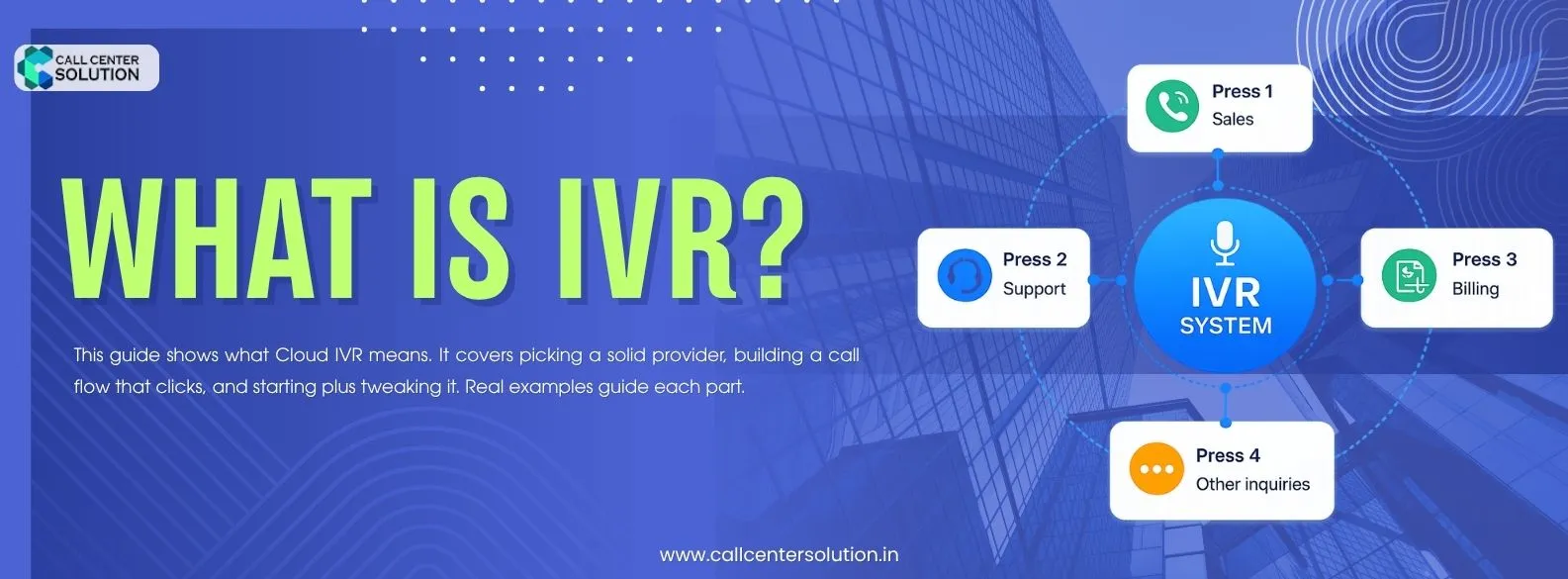
An IVR system is an auto phone system using menus and recordings to speak with callers. It takes clients to the proper division or data using keys, input or voice responses. It is key for managing large call volumes because of this basic feature. Wait times will be much cut down, client approval may improve, and running costs may be reduced by a good IVR. An IVR can deliver specific answers based on caller records or account details when it connects to a business's database. IP telephony systems' scale make it easy businesses to grow to manage growing calls with losing quality of service.- Translates user feedback using voice instructions and DTMF tones.
- Directly links callers to specific groups or services.
- Offers unique answers based on caller data kept in CRM systems.
- Allows for a number of language for a wide range of clients.
- It can be connected with email or SMS, and other communication channels.
How IVR Works
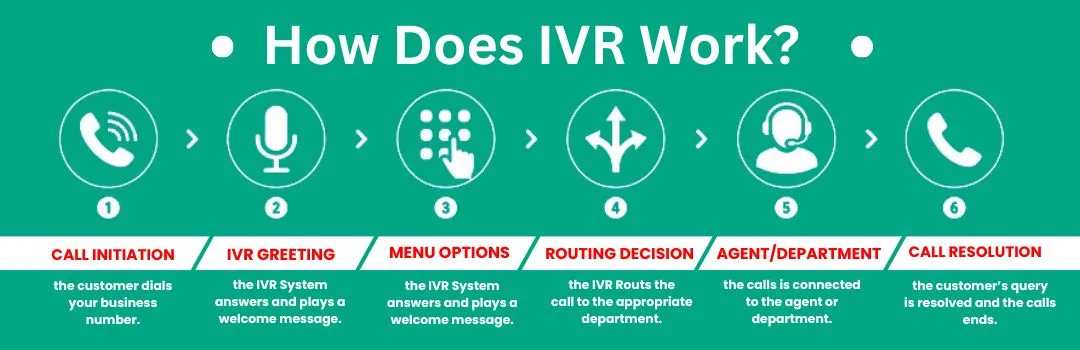
IVR platforms works on leading clients to options using a series of recorded voices and menus. It hails and offers you with menu options after you dial in. It can be typed via the keypad (it's called Dual-Tone, Multi- Frequency, if one was asking) or speaking.In the background, the IVR scans your input, decides best to guide it, then gives you the data we've provided or sends the call to a live agent. In short, it is a very smart calling performer.
Benefits of Implementing an IVR in Your Business
Among the lots of benefits of setting up an IVR that can change any client service plan. It mainly helps efficiency by automation routine tasks like scheduling time or balance check. Given automation, humans have less task to do, giving him time to only focus on complex issues that call for special care.Moreover, IVRs can be used 24/7, so users can access data at any point with restrictions by hours of work. Over time, this ongoing access increases client support and satisfaction. Also, by cutting the need for large workforces and call processing time, IVR platforms may save cost. Also, they limit failures due to human error by allowing an a common messaging over every client contacts..
- Processes basic queries, like monitoring orders or account check.
- Functions over all times to support users past business hours.
- The reason By simply responding to a lot or calls, it saves labour costs.
- Ensures sure message is uniform, to brand unity.
- Gets useful data on user likes and conduct for future updates.
Common IVR Challenges
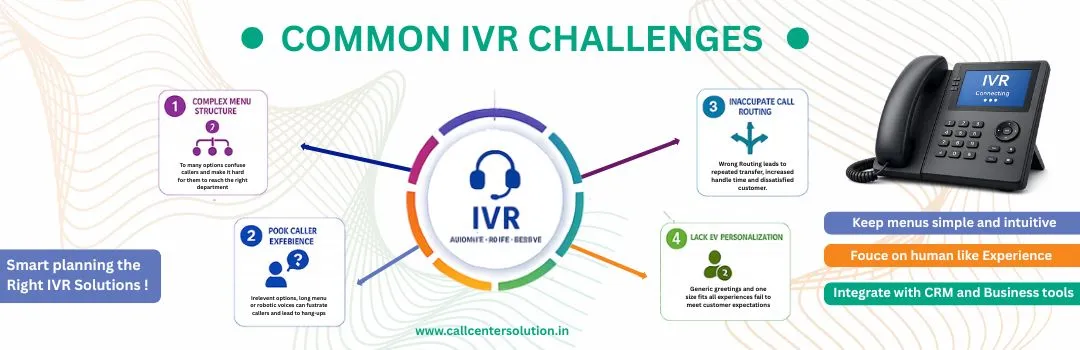
Business can process phone communications better with Interactive Voice Response (IVR) systems, and there are some risks. A company can always assess key metrics like mean wait interval, call resolution level, phone complete level, or IVR rate of success so as keep up a good user experience.Complex IVR Menus:
Callers can feel frustrated with an IVR menu that is long or unclear.. Users is likely to put on a call if they must listen to long recordings or explore many options before reaching to the right section. Client satisfaction and efficiency are improved with a menu that's clear, organised, that includes few options.Long Wait Times:
Users can still wait long times in busy hours when IVR manages contact route. Customer service might be reduced by a long wait. Callers may stay in line to get a call back when an agent is ready thanks to tools like online calls, who lower stress.Limited Personal Interaction:
IVR systems are not able to act sensibly or process thoughts. In calling help for complex and urgent cases, clients usually want talking to live agents. If automate has lacking, allowing people an easy means to reach in connect with a person ensure they have specific service.A poor-quality IVR solution can reduce consumer trust or improve call cancellation rate. To be that the IVR offers a fast and efficient help service, a business can frequently review call data, improve menu structure, as record client feedback. In general, a well-built IVR technology must make calling clients faster than difficult. A successful future needs routine efficiency & client-focused upgrades.
Common Scenarios Using IVR
IVR helps businesses give faster and more reliable client service by handling common enquiries or routing calls to a proper team. Among most common purposes of a company are given here.Banking: IVR platforms are applied in banks and various banks to offer customers secure, 24/7 access to required services. With awaiting a client support provider, clients can track loan or credit card applications, verify statements, review recent activity, access banking services, and receive details on account types.
Customer Service: IVR is key to client service as it manages a large number or phone calls. Automated recordings reply to common issues, or digital menus guide calls to a proper division. Users can keep place in the line and get a callback when an agent arrives thanks to the virtual callback feature present in many modern IVR devices.
Education: IVR is used by educational institutions to ease connecting with students and parents easy. With digital speech menus, people can safely access info such testing results, attendance data, fee records, and school updates. This assures the important data remains visible while reduces administration.
Government Services: IVR is used by governments to give citizens quick access to data and public services. Revenue services, licenses, permits, public perks, vote data, and app status will all be available to visitors. It transfers users to a correct division or support if urgent.
Healthcare: IVR is applied by healthcare providers to quicken regular office work and boost communication with clients. Medicine repeat orders, test results messages, satisfaction surveys, medication alerts, following-up calls, and appointment requests & recalls are some of usual usage. Such features increase patient satisfaction and lower the amount of scheduling errors.
Frequently Asked Questions (FAQ)
Latest Blog Posts

Auto Dialer Software for Call Centers
Call centers get a lot of calls every day. Calls to leads, talking to customers, following up on req

Is an Auto Dialer Worth It for a 5-Person Sales Team?
An Auto Dialer could seem like a clear purchase for a big call center. However, what about a five-pe
Interactive Voice Response (IVR) System
A basic IT device the changes way business engage to users is an Interactive Voice Response (IVR) sy